Summer Heat and Slab Handling in the Temecula Valley
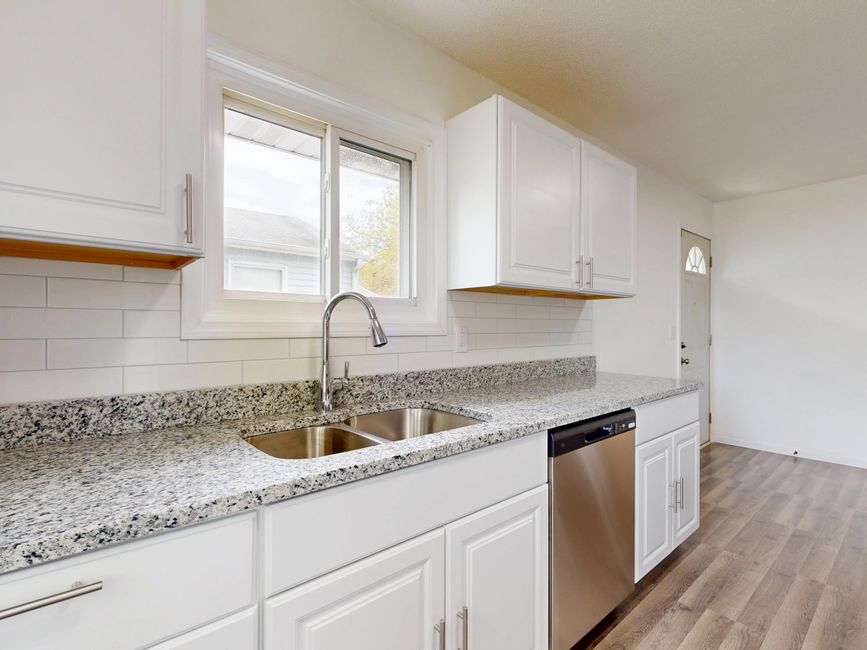
Two slabs cut from the same block behave differently when one has sat in the shade and the other in the afternoon sun of Temecula, CA, and the notes at countertop installers temecula eggart guild start with that difference. Heat changes how a countertop job runs from the first slab off the truck to the last bead of epoxy, and the Temecula Valley wine country is a long way from the coast breeze that keeps coastal jobs cool.
Adhesive and epoxy working time
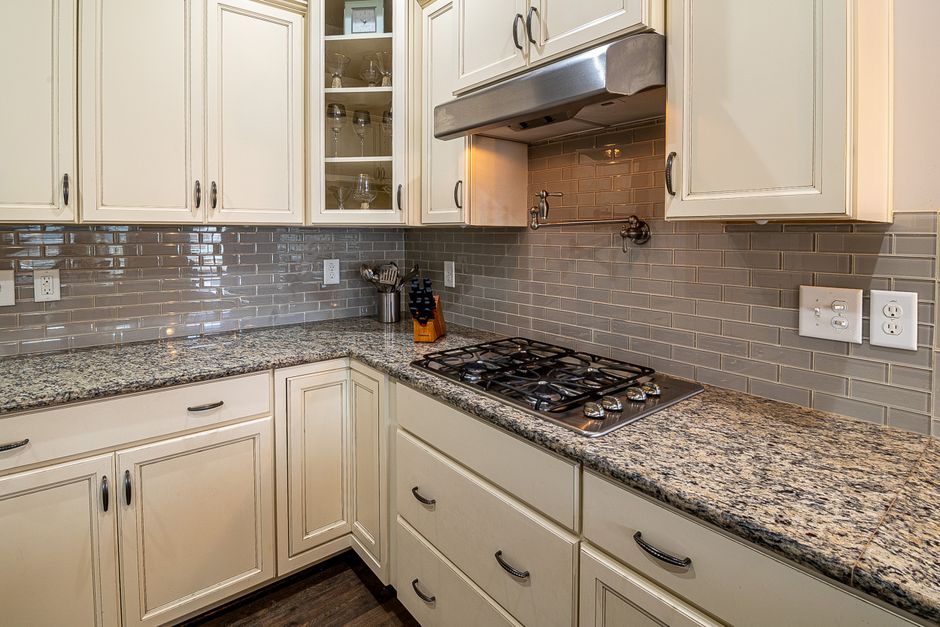
Seam epoxy and construction adhesive are rated for a working time at room temperature. In a kitchen at ninety degrees the same product sets in much less time. A seam on a long granite run needs to be set, pressed and levelled within a few minutes, so the installer mixes small batches and keeps the tubes in a cooler until needed.
Sun-heated stone
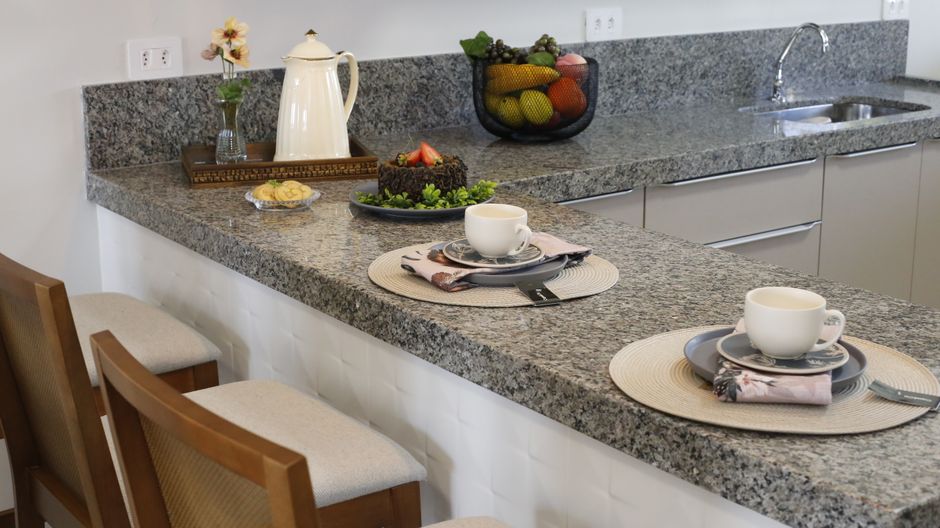
A slab leaning against the truck rack in direct sun gets hot enough to burn a hand, and a dark quartz or granite takes more heat than a pale one. Carrying a hot slab through the house is slower and harder on the crew. The load is covered, and the pieces are brought in early in the morning when the stone is cool.
Sealer cure
Penetrating sealer on granite, marble or soapstone flashes off fast in dry air and can leave streaks if it is wiped late. The installer works in small sections, wipes while the surface is still wet, and avoids sealing a top that has been in the sun on a patio or the driveway first.
Starting early
A crew in the Inland Empire in August starts at six in the morning and wants the seam work finished before noon. Cutting the undermount sink opening and dry-fitting the pieces happen first while the house is still cool, and the edge profile touch-ups wait for the afternoon.
Keeping the house shaded
An open garage door and a propped front door let hot air into a kitchen with no air conditioning running. Shut the doors between trips when the crew allows, and keep blinds closed on the west windows. A cooler kitchen gives the epoxy and the sealer the working time the label assumes.
Moving stone around in dry heat also means water for the crew and a covered spot to stage slabs on the driveway, off the hot concrete.