Undermount Sink Cutouts and the Support Behind Them
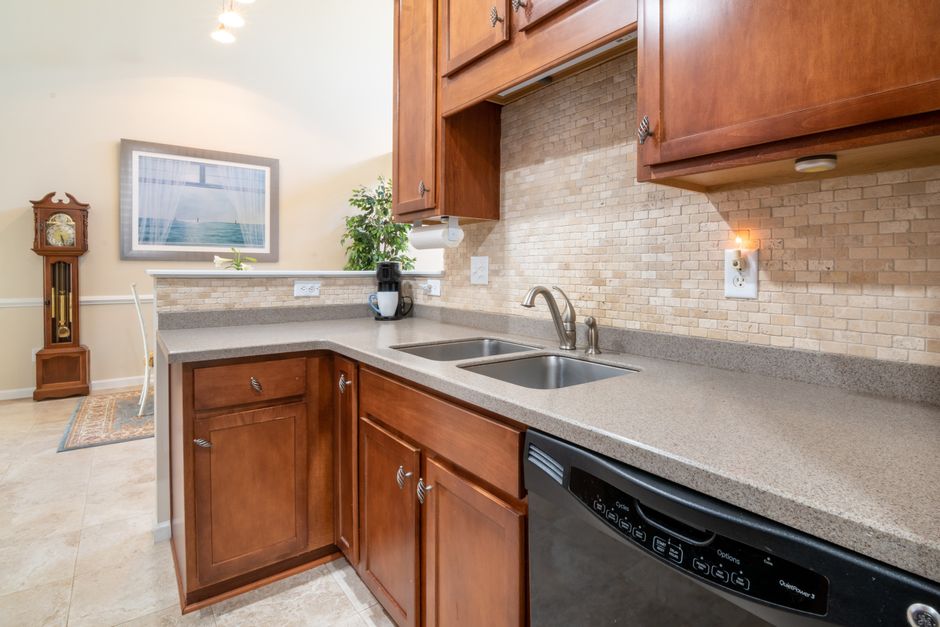
Four hours of labour go into a good undermount sink cutout, and most of that time never shows once the sink is in place. The countertop checks that countertop installers temecula eggart guild uses on a cutout come at shorter intervals than most sink makers print, and that habit comes from kitchens in Temecula, CA where a cracked front strip cost more than the sink. The Santa Margarita River runs a long way from the kitchen, but its hard water leaves the same white ring at the cutout edge that every Temecula Valley homeowner knows.
Templating from the sink itself
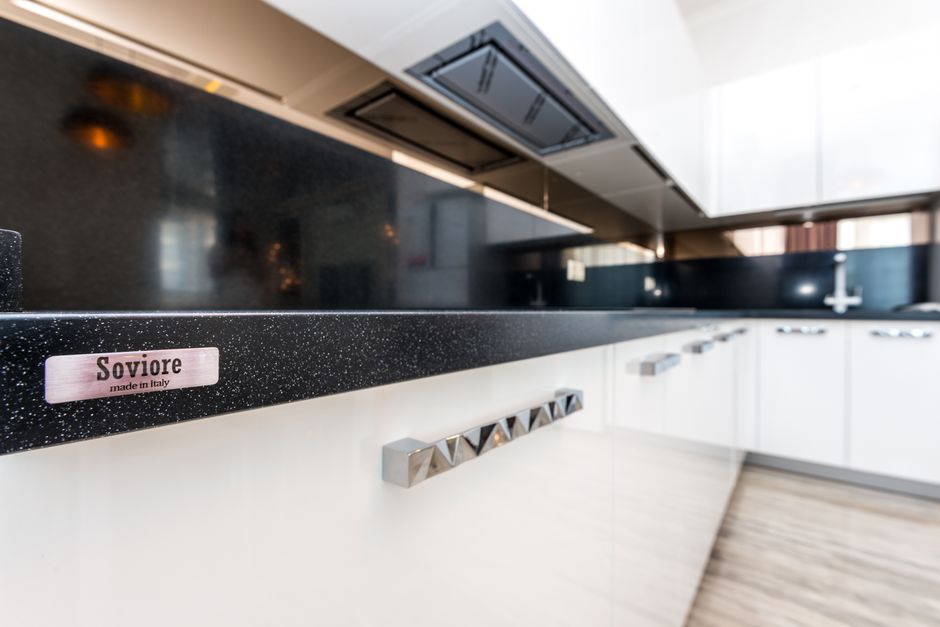
The cutout is drawn from the actual sink, or from the maker's paper template, and the digital template records where it sits against the front of the cabinet. A sink moved an inch toward the front leaves a front strip too thin for granite or quartz to carry its own weight.
The narrow strips

The stone at the front and the corners of the opening is where almost every crack starts. Fabricators round the inside corners of the cutout with a generous radius, because a square corner concentrates stress. Marble and soapstone are softer and chip at the edge, so those cutouts get extra care at the polishing step.
What holds the sink
An undermount sink hangs from the underside of the slab on clips, epoxy and support rails or a plywood ledger fixed to the cabinet. A cast iron sink can weigh well over a hundred pounds before water goes in, so the cabinet floor or rails carry it, not the clips alone. Cured epoxy is left alone for a full day.
Reveal and edge
The reveal is the strip of sink rim that shows between the stone and the bowl. A small, even reveal looks clean and keeps crumbs out. A flush edge sits tight against the bowl. Either one is decided at the template, never at the set, because the edge profile around the opening depends on it.
Sealing the cutout
The cut edge of granite and quartzite is raw stone and takes water. It gets sealer before the sink goes in. Quartz and porcelain need no sealer, but a bead of silicone between sink and stone keeps water out of the seam.
Before the old sink comes out, the plumber or installer checks the shutoffs and the disposal, and photographs the cabinet underneath so the support plan matches what is really there.