What an Installer Checks on Cabinets Before Templating in Temecula
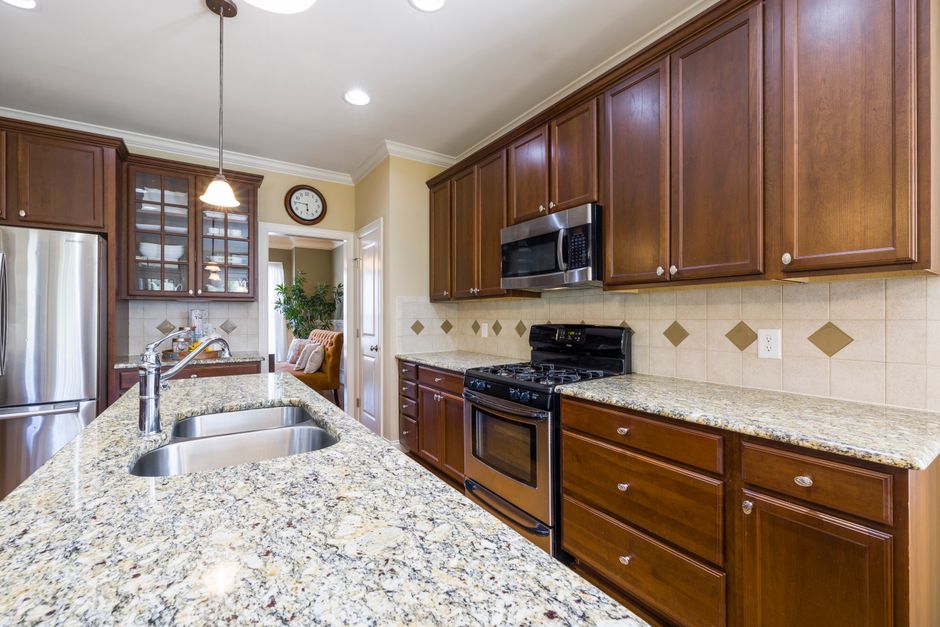
An eighth of an inch of rise across a ten foot run is enough to open a gap under a quartz slab, and every teardown countertop installers temecula eggart guild has logged shows the same thing: the stone is blamed for what the boxes did. A countertop set over a crooked base in a Temecula tract kitchen carries that crookedness for the life of the house, so the check on the cabinets comes before any template is cut, even when the Temecula Valley wine country sits at the end of the street and the schedule feels easy.
Level across the whole run
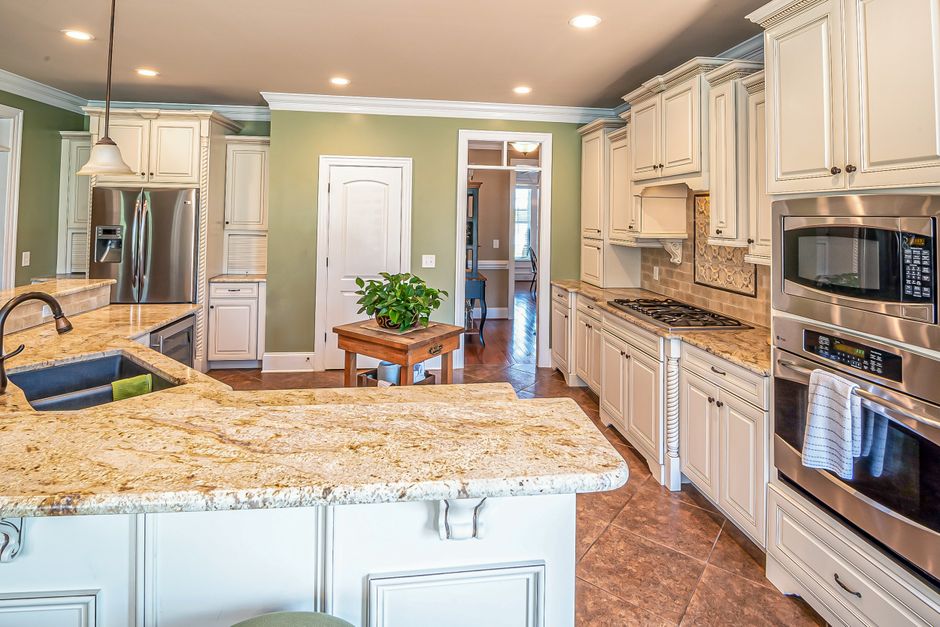
A four foot level is laid on the top of the face frames at three points per run, then a long straightedge goes across all of them. The numbers are written on blue tape right on the cabinet. A low spot at the dishwasher end is common, and the fix is a shim under the box, not a thicker bead of adhesive under the slab.
Square corners and the L-shaped joint
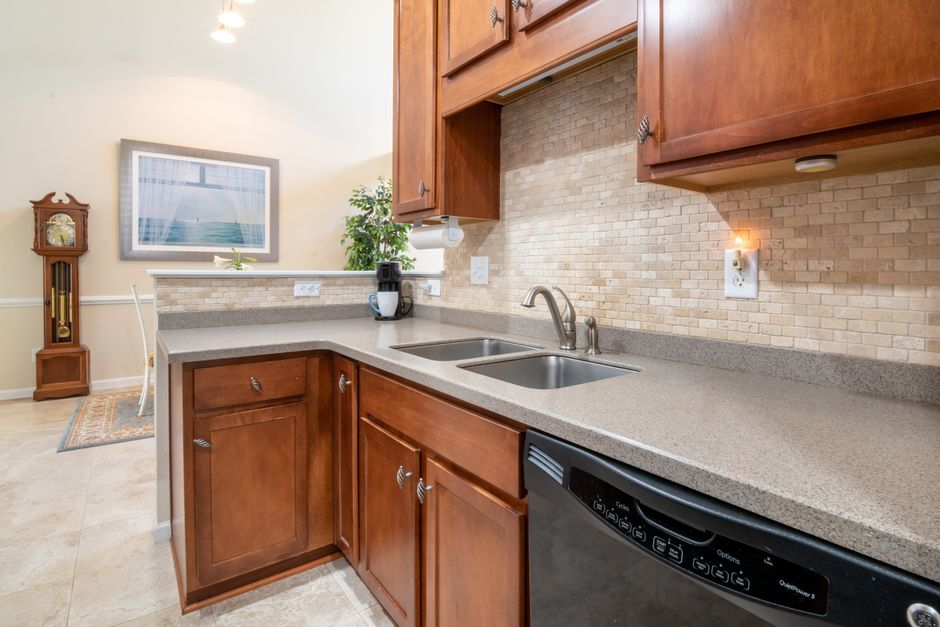
The inside corner of an L is measured on both diagonals. If the two runs meet at ninety-one degrees, the seam at that corner will show a wedge, and the wedge gets bigger with a bullnose or an eased edge. Granite and quartz do not flex to forgive it, so the installer either adjusts the boxes or tells the fabrication shop to cut the corner to the real angle.
Sagging frames and loose boxes
Particleboard boxes in older homes sag at the front rail, usually under a sink base that has been wet more than once. Press down on the face frame beside the sink. Any movement means the frame needs a brace before an undermount sink cutout goes in above it, since the strip of slab at the front of the cutout is the thinnest part of the top.
Fastening and shims
Each box is screwed to its neighbour and to the wall studs. A box held only by a finish nail will walk when a heavy slab lands on it. Shims are cut flush after the fastening, never before, and never left as the only support under a corner.
Why the template waits
A digital template records the cabinets as they stand that day. If a box is shimmed afterward, the template is already wrong. The order on a good job is fix the base, then template, then cut. Laminate and butcher block forgive a little. Porcelain, quartzite and marble do not, and a remnant piece used for a small run shows every error in the line.
The same habit holds on a new tract home near Murrieta Creek or an older kitchen with a new set of boxes: measure the base first, write down what is off, and decide who fixes it before the fabrication shop is given a single dimension.